In an increasingly interconnected world, some cultures continue to preserve their deep-rooted traditions and beliefs despite the rapid spread of technology and modern lifestyles. The Maldives is one such culture. The island nation is one of the world’s most popular tourist destinations, known for its breathtaking beaches and luxurious resorts. Yet behind its natural beauty are ancient customs that still play a role in the lives of local communities, particularly in remote rural areas. Among these beliefs are practices associated with magic and witchcraft, which may seem strange to some people but remain part of the islands’ cultural heritage. In this context, the strange case of a suspicious coconut highlighted how authorities dealt with such beliefs during a politically sensitive period, namely the presidential election.
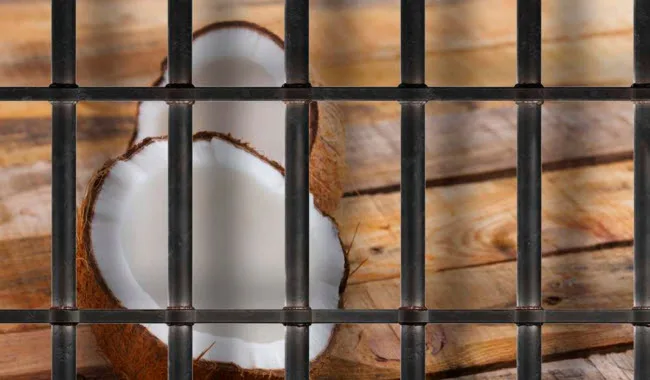
The suspicious coconut incident took place in 2013, when Maldivian police seized a coconut at exactly 7:05 a.m. after receiving a report from a local resident who believed it might have been used in a magical ritual intended to manipulate the outcome of the upcoming presidential election. According to local reports, the coconut had been placed on the ground in a location where it could easily be seen by the public, near a school that was due to serve as a polling station on a remote island in Kaafu Atoll, one of the hundreds of islands that make up the Maldivian archipelago. After taking the suspicious coconut into custody, police called in a witchcraft expert to examine it. The expert concluded that the coconut was harmless and had not been used for any magical practices. This prompted an informed source to suggest that the incident may simply have been a prank intended to draw attention to the issue of witchcraft and its alleged use during elections.
Although the case was eventually closed, the suspicious coconut incident shed light on the persistence of magical beliefs and superstitions in rural parts of the Maldives, despite the fact that the vast majority of the population is Sunni Muslim. Coconuts are used in a number of traditional rituals, including practices in which they are inscribed with spells believed to have the power to influence events or people. This raised suspicions that the coconut might have been intended for a magical ritual aimed at influencing the election results. One source therefore described the incident and the authorities’ response as a lesson for local residents not to practice black magic in an attempt to influence voting. The source also stressed that polling stations would be closely monitored to prevent similar activities, particularly because there had reportedly been previous incidents in which alleged witchcraft had caused problems during voting. Meanwhile, the National Elections Commission had pledged to take responsibility if anyone fell under the influence of magic or became ill while taking part in the voting process.