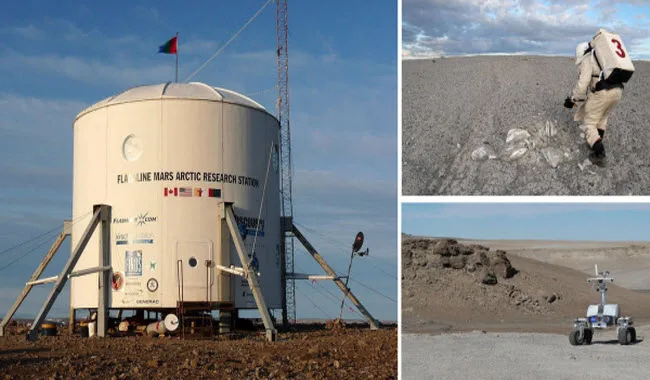
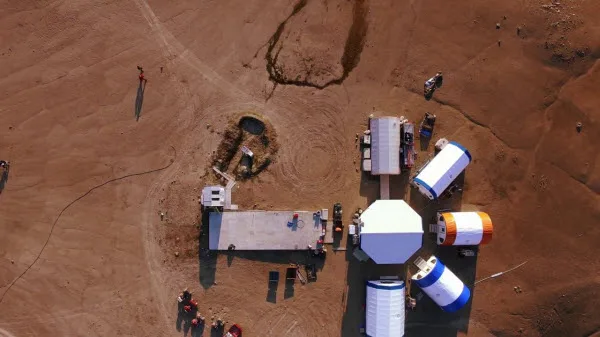
The Haughton-Mars Project is a research station established on Devon Island in Canada to help scientists and astronauts practice living and working in conditions similar to those on Mars, in preparation for future human exploration and settlement of the Red Planet.
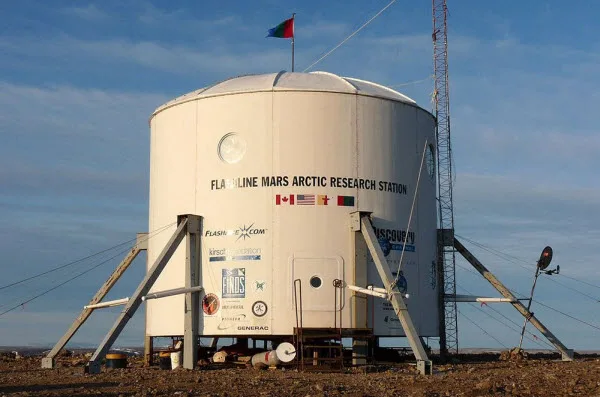
Haughton-Mars: Mars on Earth
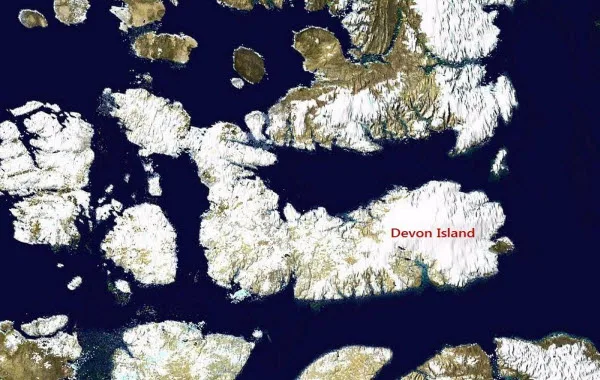
The Haughton-Mars Project is located on Devon Island in Canada. Some people call the area “Mars on Earth” because its harsh environment resembles certain conditions found on the Red Planet.
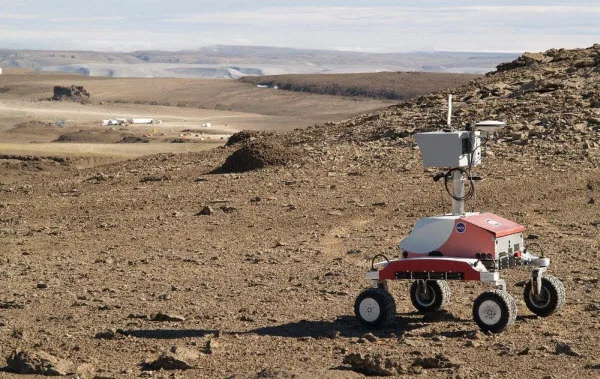
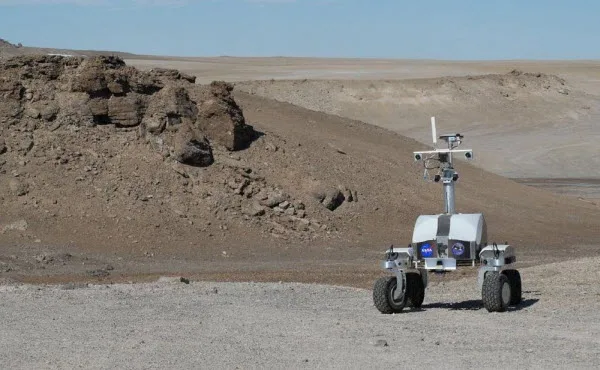
The site is used to test spacecraft, probes, aircraft, and robots that may one day explore the Martian surface. Researchers also test the equipment fitted to these machines, including spectrometers, cameras, radar systems, and soil-sampling tools.
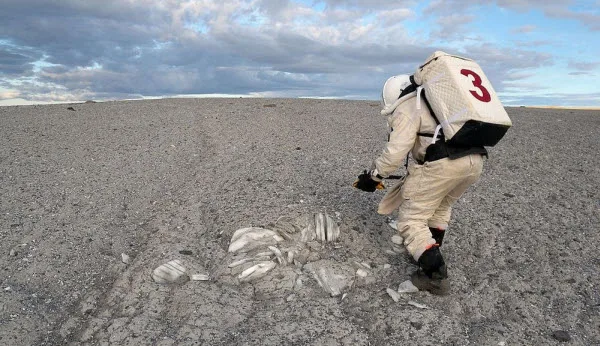
The project also evaluates equipment that astronauts may use during future missions, such as spacesuits and Mars rovers designed to transport them across the planet’s surface. In addition, researchers conduct psychological and behavioral studies to assess how astronauts might respond to unfamiliar environments and challenging conditions during extended missions.
Devon Island and the Haughton-Mars Project
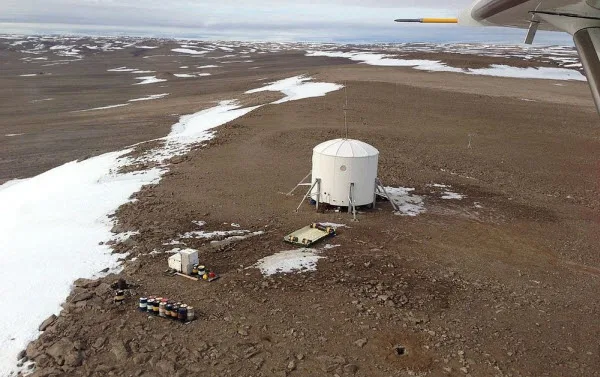
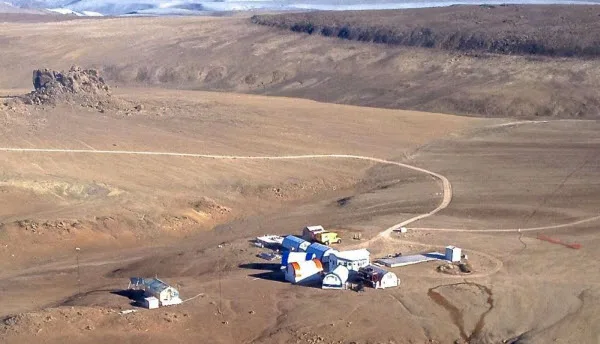
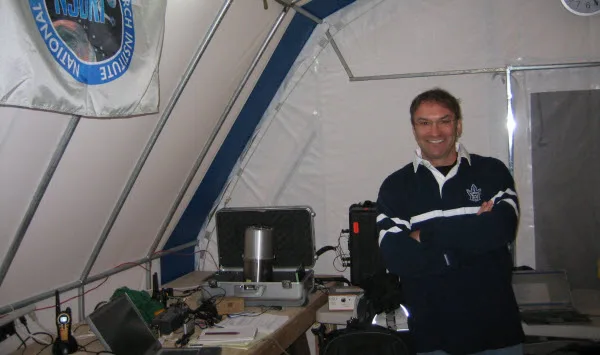
Devon Island, which hosts the Haughton-Mars Project, is considered the largest uninhabited island on Earth. The research station was established there in 1997 with support from NASA. It is managed by a group of academic, industrial, and research partners.
The project supports biological and geological research aimed at understanding the development of Mars, from its formation to the present day. Devon Island’s distinctive landscape and harsh conditions make it a valuable place to study environments that resemble aspects of the Martian surface.
Researchers also use the station to test technologies intended for future Mars exploration and to train astronauts to adapt to and operate in Mars-like conditions.
Testing Technology for Future Mars Missions
One of the most notable experiments conducted by the Haughton-Mars Project involved testing a type of smart glove for astronauts. The glove allows users to control drones through simple hand movements, a technology that could prove useful during future missions on Mars.
The developers reported that the island’s extreme conditions provided valuable lessons that ordinary laboratory testing could not offer. The tests revealed different results and challenges, leading them to recognize the need to modify certain navigation systems and strengthen the equipment so it could withstand the demanding environment.
By testing equipment in a remote, harsh setting, researchers can identify weaknesses and make improvements before the technology is used in future space missions.