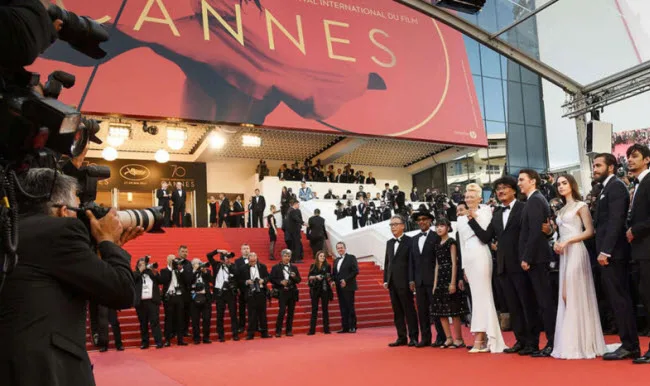
The Cannes Film Festival is an annual film festival held in Cannes, France. It showcases new films of all genres, including documentaries produced around the world. Its first edition took place in 1946, and it is usually held in May. It is considered one of Europe’s major film festivals and one of the “Big Three,” alongside the Venice Film Festival in Italy and the Berlin International Film Festival in Germany. Cannes is also considered one of the world’s “Big Five” film festivals, together with the three major European festivals, the Toronto International Film Festival in Canada, and the Sundance Film Festival in the United States.
History of the Cannes Film Festival
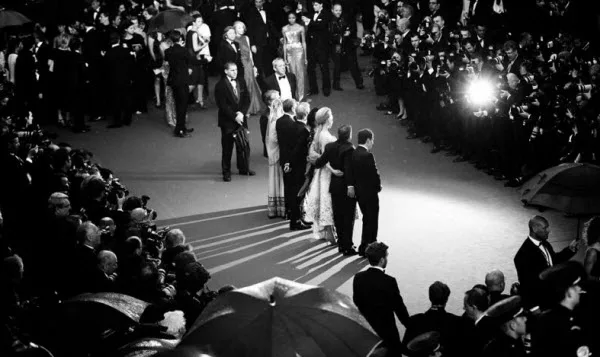
The festival’s history dates back to 1938, when French Minister of National Education Jean Zay decided, following a proposal from historian Philippe Erlanger and film journalist Robert Favre Le Bret, to establish an international film festival. Some attribute its creation largely to France’s desire to compete with the Venice Film Festival, which was then the only international film festival and had shown a lack of neutrality because of its fascist alignment during those years.
Political interference became particularly evident in the 1937 edition, when Italian leader Benito Mussolini intervened to ensure that the French film La Grande Illusion would not win. The final turning point came in 1938, when Mussolini and Adolf Hitler overturned the jury’s decision to award the Mussolini Cup to the Italian war film Luciano Serra, produced under the supervision of Mussolini’s son, Vittorio, as well as to the German film Olympia, a documentary about the 1936 Summer Olympics in Berlin. The latter had been produced in cooperation with the Nazi Ministry of Public Enlightenment and Propaganda, despite regulations at the time prohibiting awards for documentaries.
Angered by these results, French, British, and American jury members withdrew in protest, intending not to return. This encouraged the French to establish another festival. On May 31, 1939, Cannes was selected as its location, and the city council, together with the French government, signed the official founding documents of the International Film Festival. Cannes was chosen for its appeal as a resort destination and because its city council actively contributed to building a venue dedicated to the event.
The first edition was scheduled to take place from September 1 to 20, 1939, and several Hollywood stars had begun arriving. However, German forces invaded Poland during that period, and France and the United Kingdom soon declared war on Germany, triggering the outbreak of World War II. The French government ordered general mobilization, preventing the festival from proceeding, and it was ultimately canceled.
After the war, the festival was relaunched in 1946. Twenty-one countries submitted films for its first edition, which was held at the Cannes Casino. In 1947, films from sixteen countries were screened. The festival was not held in 1948 or 1950 because of budget problems.
In 1949, the Palais des Festivals was built for the event on the seafront promenade of La Croisette. In 1951, the festival was moved to spring to avoid direct competition with the Venice Film Festival, which takes place in autumn. During the early 1950s, Cannes attracted increasing numbers of tourists and members of the press, and its artistic dimension began to develop.
In 1954, the Special Jury Prize was awarded for the first time. The following year, the Palme d’Or was established as the festival’s highest prize. In 1959, the Film Market was founded, giving the festival a commercial dimension and facilitating exchanges between sellers and buyers in the film industry. Cannes became the first international platform for film trading.
Nevertheless, politics continued to influence the festival, and several films were excluded for diplomatic reasons. Jean Cocteau, who served as jury president three times during those years, expressed his view: “The festival should be a forbidden ground where politics has no place, and it should be a simple meeting between friends.”
In 1962, the International Critics’ Week was created by the French Syndicate of Cinema Critics as the first parallel event held alongside the festival. Its goal was to showcase and critically examine artistic works from around the world rather than submit them to commercial preferences.
In 1968, the festival was interrupted after directors such as Carlos Saura and Miloš Forman withdrew their films from competition. Filmmaker Louis Malle and a group of directors occupied the main hall of the Palais and stopped screenings in solidarity with students and workers on strike throughout France. In 1969, Directors’ Fortnight was established as a new non-competitive section featuring a selection of films from around the world.
During the 1980s, a larger new building was constructed to host the event. The festival began including films from countries such as the Philippines, China, Cuba, Australia, India, New Zealand, and Argentina. In 1987, a red carpet was installed at the entrance to the Palais for the first time in the festival’s history.
In 1989, during the first Cinema and Freedom Forum, hundreds of directors from different countries signed a declaration opposing all forms of censorship that continued to exist around the world. With the arrival of the new millennium, the festival began paying greater attention to technological developments in filmmaking, particularly digital technologies.
In 2004, restored historical films were presented under the Cannes Classics section, which included some documentaries. In more recent years, the festival has faced several controversies. In 2015, during the screening of the film Heelgate, several female attendees were reportedly prevented from walking the red carpet at the premiere because they wore flat shoes instead of high heels. In solidarity and protest, several celebrities subsequently wore flat shoes or attended premieres barefoot.
Cannes Film Festival Administration
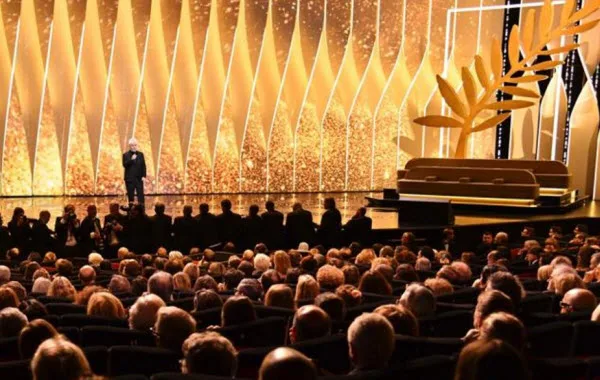
The festival has an administrative structure headed by its president, who represents the festival before financial partners, public authorities, and the media. The president is elected by the festival’s board of directors, officially known as the French Association of the Film Festival. The board consists of representatives from the film industry as well as public bodies that support the event.
The president serves a three-year term, which may be renewed, and appoints members of the team, including the general delegate responsible for coordinating events, subject to the board’s approval. After completing their final term, some presidents become honorary presidents of the festival.
In 2001, two new positions were created: the managing director, responsible for ensuring that the event runs smoothly, and the artistic director, responsible for selecting films. The secretary-general is also responsible for receiving submissions and handling other practical matters.
Before each edition, the festival’s board appoints the juries, which have sole responsibility for selecting the films that receive awards. Jury members are chosen from a broad range of international artists. The jury president is selected following several annual administrative proposals, which are then submitted to the board for approval.
Cannes Film Festival Program
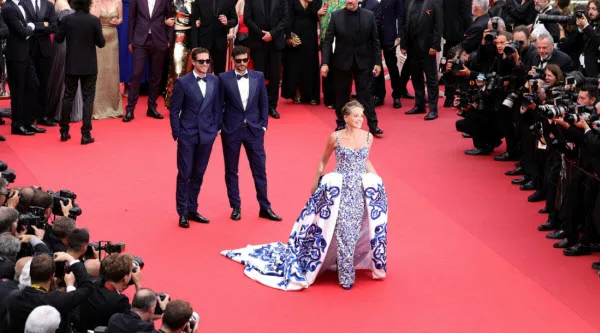
The festival is organized into several events and sections.
Main Event
- Films in Competition: The festival’s original competitive section, featuring films competing for the Palme d’Or.
- Un Certain Regard / Selected Films: A section showcasing films from cultures both near and far.
- Out of Competition: Films screened without competing for the main prize.
- Special Screenings: Films selected by the selection committee and distinguished by a particular identity.
- Short and Medium-Length Films: Approximately fifteen short and medium-length animated films from different film schools.
- Short Films: A competition featuring ten short films.
- Cannes Classics: A celebration of film heritage, highlighting works from the past and presenting newly produced or restored older prints.
- Cinema de la Plage: Screenings of Cannes Classics and out-of-competition films for the public on Macé Beach, preceded by a program dedicated to film music.
Parallel Events
- International Critics’ Week: Focuses on discovering new talent and screening feature films by directors from around the world.
- Directors’ Fortnight: A platform for discovering and presenting distinguished filmmakers.
- ACID: The Association for Independent Cinema and its Distribution.
- Cinema of the World: Celebrates the vitality and diversity of cinema worldwide. Each day, one country is invited to present a selection of short films that reflect its unique culture and identity.
Other Events
- Film Market: Described as the world’s busiest film market.
- Masterclasses: Sessions in which internationally renowned filmmakers give lessons to the public.
- Tributes: Celebrations honoring internationally renowned artists, with the festival trophy presented after a screening of one of their films.
- Producers Network: An event that facilitates international co-productions.
- Exhibitions: Each year, an artist, body of work, or cinematic theme becomes the focus of an exhibition held alongside the festival.
- The 60th Anniversary: Events organized in 2007 to celebrate the festival’s sixtieth anniversary.
Cannes Film Festival Awards

The festival’s most prestigious award is the Palme d’Or, presented to the best film. The awards are divided into the following categories.
Awards for Films in Competition
- Palme d’Or for Best Feature Film.
- Palme d’Or for Best Short Film.
- Grand Prix.
- Jury Prize.
- Best Director Award.
- Best Actor Award.
- Best Actress Award.
- Best Screenplay Award.
Awards in Other Sections
- Awards recognizing young talent and innovative, daring works.
- Student film awards.
- Awards for debut works.